To Google, your bakery is a bar
If your Google Maps listing has the wrong category, hours or phone number, you lose customers without ever knowing. How to spot it and fix it.
November 11, 2026Last updated November 11, 2026
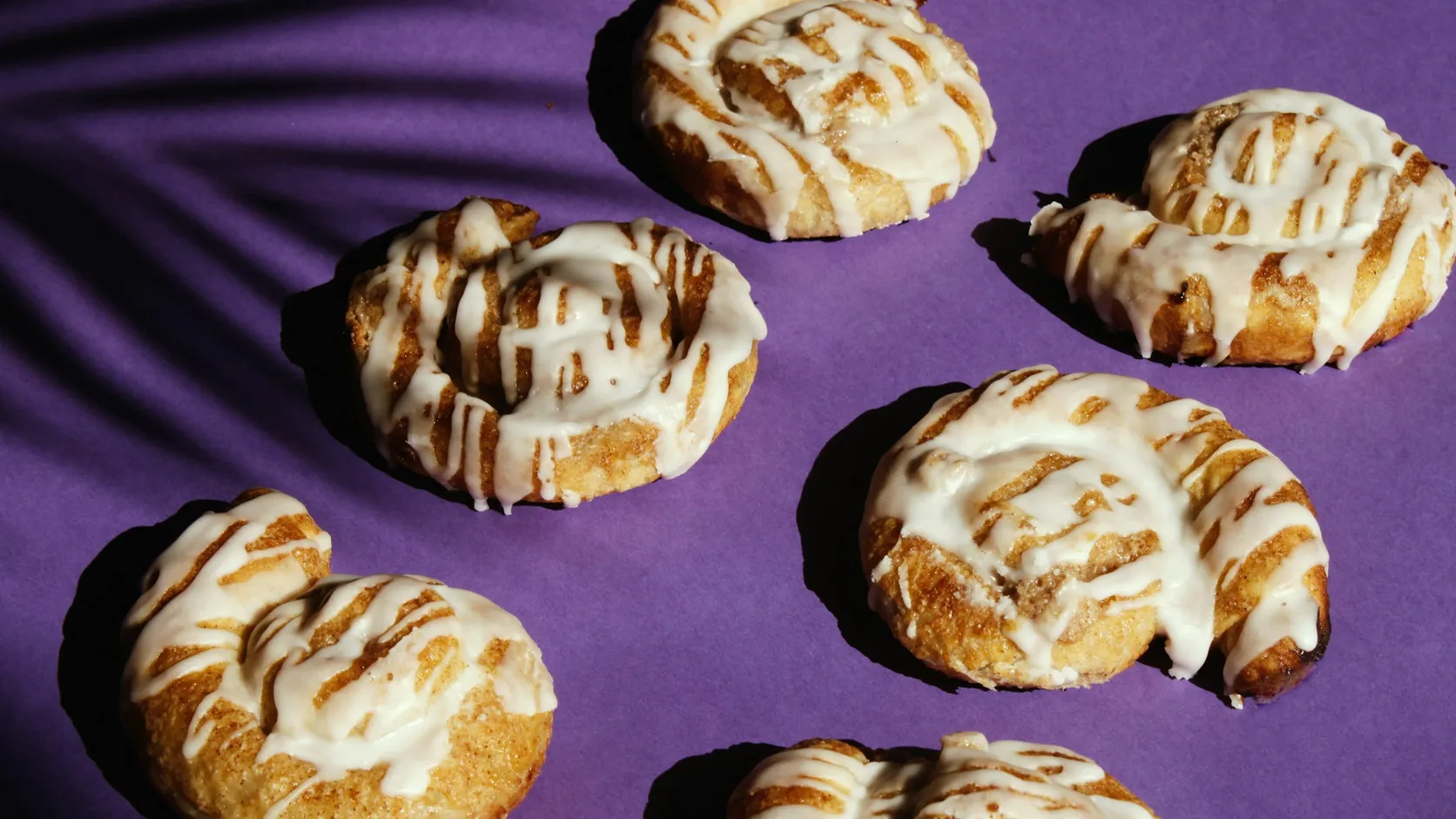
On a Saturday at 8:40 a.m., someone types “bakery open near me” into Google Maps. Two blocks away there’s a café that has been baking its own bread since six. It doesn’t show up. Its listing says “espresso bar” and its hours skip the weekend. The person walks to another bakery, buys their conchas and never learns the café existed.
The café is made up. The problem is one of the most common there is, and it’s rarely the owner’s fault. That listing fills itself in with whatever Google finds, whatever customers suggest and whatever someone typed years ago. If nobody at the business looks after it, Google guesses. And it guesses with great confidence.
First, find out whether the listing is yours
Look up your business on Maps. If you see the option to claim it, nobody has, and until you do, you can’t fix anything (Google’s help).
Sometimes the listing is claimed, just by someone who’s gone: the previous agency, a former employee, the cousin who “helped you with the internet thing.” Google lets you request ownership from that person, who has three days to respond. Better to do it before you need it.
Your category decides where you show up
The primary category looks like a form detail. To Google it’s a big clue: its help pages say categories affect your local ranking. If yours says bar and you make your living from bread, the bread searches go to the competition.
Ask your customers how they’d describe you to a friend. That answer is usually your primary category. Everything else you do goes in as an additional category.
When your listing and your site disagree, someone has to guess
The site has one phone number, the listing another, the sign out front a third. It happens to very well-run businesses, because someone switched lines and only updated one place.
AI bots read that listing now too. Gemini, for example, uses public Google Maps information when someone asks it about places. If your listing says you’re open on December 25, that’s what it will say, with total confidence, to someone who’s going to arrive hungry at a locked door.
Your menu shouldn’t live on a delivery app
If you sell food, Google can show your menu from several sources, a delivery app included, and you can choose which one. If the most complete version is on the app, people see the app’s prices. The better setup is a full menu on your own site, with your listing pointing to it.
One hour, one coffee and the listing open
Set aside an hour and keep the business phone handy:
- Confirm the listing is claimed and in your name.
- Check the primary category against what people actually search for.
- Compare phone, address and hours with your site and your sign.
- Add holiday hours before the holidays arrive.
- If you sell food, choose your own site as the menu source.
To see what Google and AI bots say about your business today, try the free AI visibility check.