Writing a website RFP that good studios will answer
Long RFPs with no budget tend to get answers only from firms with a sales team. What a short request for proposals should cover, and how to choose once the replies come in.
November 12, 2026Last updated November 12, 2026
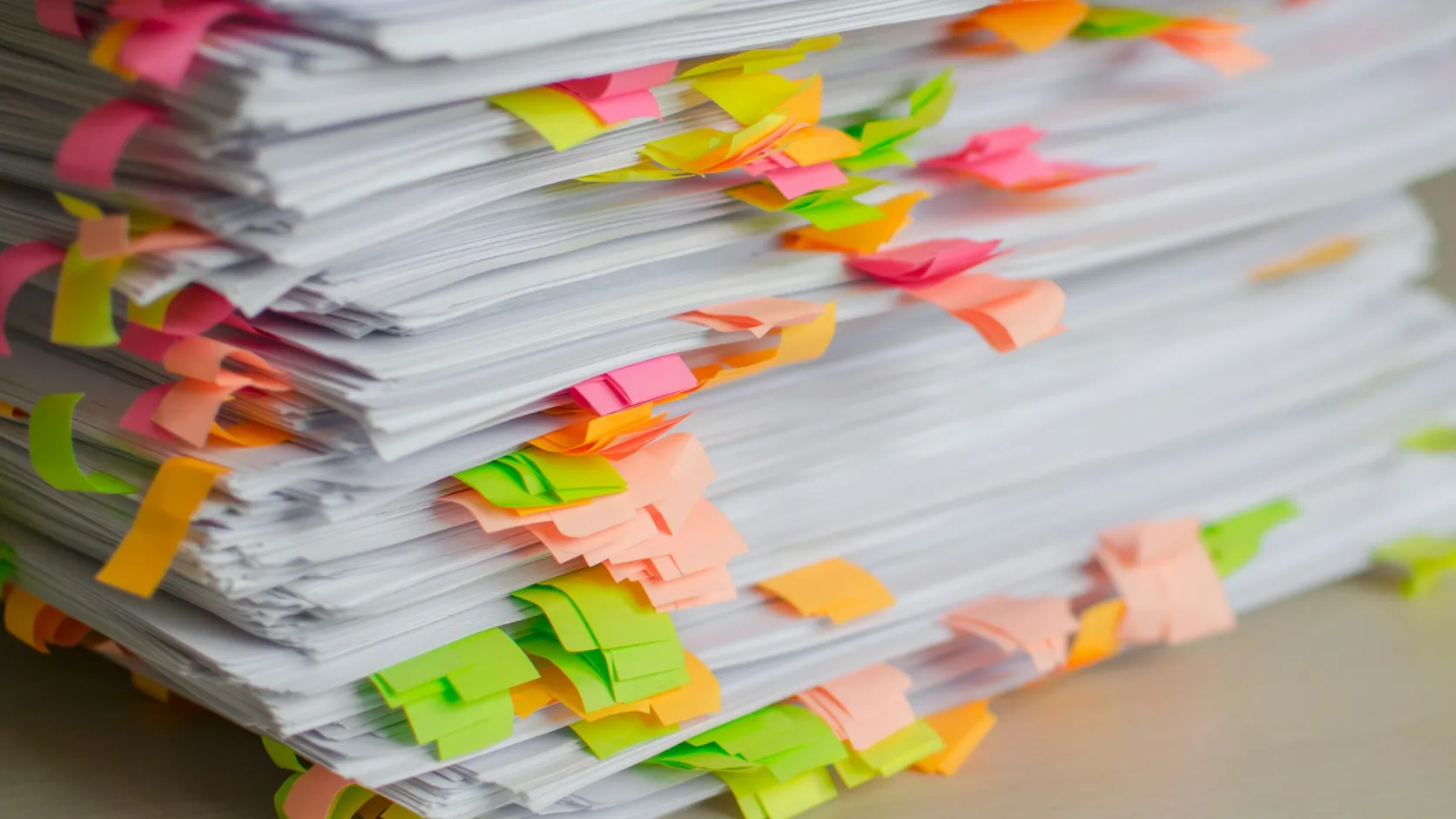
The request for proposals ran forty pages. It had a section on insurance, a section on the organization’s history since 1987, a table of thirty-one required features and a deadline eleven days out. It did not have a budget. It went to a dozen studios and came back with three replies: two from firms that answer every RFP with the same template, and one from a freelancer asking whether all forty pages were required reading.
The organization is made up. The RFP is very real, and the people who wrote it did everything they were told to do. They were careful and fair, and they wanted good bids. The document just made the good studios do the math and quietly pass. This piece is about how to write the version those studios answer.
What happens when a studio opens your RFP
It helps to know what your RFP looks like from the receiving end. Take a six-person agency, the kind that does careful work for organizations your size. On a Friday afternoon, someone opens your PDF and starts estimating. How long will it take to read? How long to write a response? What are the odds of winning, and is the project even the right size for us?
A forty-page document with no budget turns that into guesswork. A strong response to it can eat two or three days of senior time, unpaid, with no idea whether the client expects a template or a custom build. Busy studios with full calendars usually decide it isn’t worth it. The ones that do respond are often the ones with a sales team whose whole job is answering RFPs.
Buyers have noticed this too. When 18F, a federal technology team, wrote guidance for government agencies buying software, it noted that new and small businesses “don’t always have the dedicated resources for writing proposals” that larger companies have. A heavy RFP tends to lose exactly the small, attentive teams many nonprofits are hoping to hire.
A hidden budget doesn’t get you a better price
Most organizations leave the budget out so nobody pads the quote. What happens instead is that every studio guesses. One prices a template and one prices a custom build, and you end up comparing a bicycle to a minivan.
A range, even a wide one, tells studios what kind of project this is. The ones who can do it well at that size will say so, and the rest will save you both an afternoon. If the board hasn’t settled on a number, write the range you’d be comfortable defending at the next meeting. You can always say the top of it is a stretch.
If you have no idea what a reasonable range looks like, what a website costs lays out the usual tiers before you commit to anything.
Lead with what’s going wrong today
Thirty-one features read like a shopping list someone else already wrote. “Event calendar” could mean a page you update twice a year or a full ticketing system. Two studios will price those very differently, and both will be right.
Tell studios what’s going wrong instead. Donors can’t find the give button on a phone. Program staff wait two weeks for someone to change a date. The board is embarrassed to send people to the site. Each of those sentences gives a studio something to solve, and good studios get interested in problems. They’re often the ones best placed to tell you which features you actually need.
A useful test: if a line in your RFP names a feature, ask who complained and what they were trying to do. Write that down instead. “Parents can’t tell which programs still have space” gives a studio far more to work with than “event registration module.”
Give people enough weeks to do it well
A deadline of eleven days mostly selects for whoever had a quiet week. Give three or four weeks, a named person for questions and one round of answers shared with everyone who’s bidding.
That shared round matters more than it looks. When one studio asks whether you need online donations built in or linked out, every studio should see the answer. It keeps the bids comparable, and it saves you from answering the same question six times. It costs you little and tells studios you’ll be a good client to work with.
Ask for short proposals you can actually compare
If your RFP is forty pages, the responses will be too, and someone on your team will have to read all of them. Ask for less. The 18F guide tells agencies to require proposals “under 10 pages” and recommends a hard limit of five. A website for a nonprofit doesn’t need more room than federal software.
Within that limit, ask each studio to send back the same handful of things so you can lay them side by side:
- Two or three past projects close to yours in size and budget, with links.
- The names and roles of the people who would actually work on your site.
- A rough plan with phases and a launch window.
- A price, with what’s included and what isn’t.
- What happens in the first year after launch.
When the proposals come back, comparing website quotes walks through how to make sense of prices that look nothing alike.
Talk to your finalists before you decide
Written proposals tell you who writes well. A conversation tells you who you’d be working with every week for four months. Narrow the field to two or three studios and spend an hour with each.
18F treats these conversations as a check on the paperwork, describing interviews as “a critical quality control measure” that confirms what the proposal claimed. You can use them the same way. Make sure the person who would lead your project is in the room, since that is sometimes someone other than the person who sold it. Then ask a few direct questions:
- Walk us through a project that went badly and what you changed afterward.
- Who on our side do you need, and for how many hours a week?
- What would you cut first if our budget turned out to be the low end?
- Can we talk to a past client of roughly our size?
Then call that past client. Ask whether the site launched when promised and whether their staff can update it without calling anyone. Those two answers usually tell you more than the portfolio.
The RFP habits that cost you good bids
Most of these come from good intentions. Somebody once had a bad vendor, and the RFP grew a new section to make sure it never happened again. A few patterns show up again and again:
- Copying last decade’s RFP, including requirements for things nobody uses anymore.
- Requiring a full design concept before anyone has talked to you, which asks studios to guess at your audience for free.
- Sending it to twenty studios at once, which tells each of them their odds are poor.
- Scoring on price alone, so the cheapest guess wins.
The last one is the hardest to resist on a board. A cheaper bid that assumes your staff will write every page and move all the old content is a different project, and it’s worth naming that out loud before anyone votes.
Five pages will do
The most useful RFPs we see are short. They cover the following, and not much else:
- Who you are and who the site is for, in a paragraph.
- What isn’t working now, in plain language.
- A budget range and a launch window.
- Who decides, and how you’ll choose.
- What you’d like each studio to send back.
Anything a studio needs beyond that is a good question for the call. If your board needs background first, what to bring to the first meeting covers the groundwork that makes these five sections easy to write.
If you’re drafting an RFP and want a second read before it goes out, book a 30-minute call and we’ll go through it with you, even if we end up not bidding.