AI bots recommend businesses the way your know-it-all aunt does
ChatGPT, Gemini and Perplexity recommend businesses based on what they read about you online. Where their answers come from, and how to give them better information.
November 11, 2026Last updated November 11, 2026
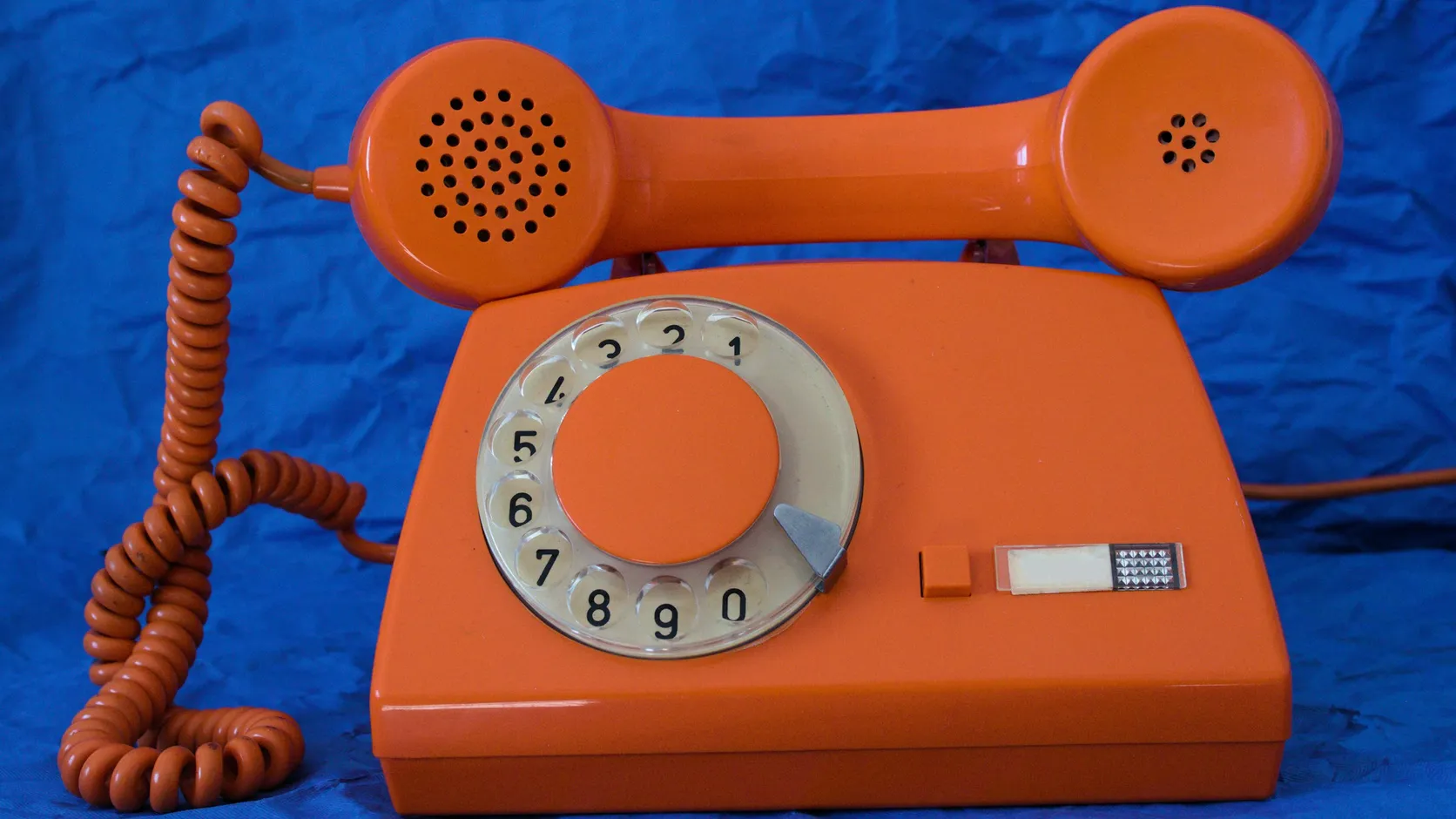
Every family has an aunt who knows where to get the best tamales, which dentist is good and which mechanic will rip you off. She has never been to half those places. She knows because she hears everything, puts it together and repeats it with enviable confidence.
An AI bot recommends businesses in much the same way. It has no secret source and it never visited your shop. It collects what it finds about you online and repeats it with the same confidence, right or wrong. The good news is that, unlike the aunt, you can shape what it hears.
Google asks for nothing special
Google says so in its developer documentation: there are no additional requirements to appear in its AI answers, and no special optimizations (Google Search Central). What gets you there is the usual: a site Google can read, with the important parts written as text, and an up-to-date Google Business Profile.
Gemini, Google’s bot, is even more direct. When someone asks it about places, it uses public Google Maps information: address, hours, ratings, website. Whatever your listing says is what Gemini will repeat.
ChatGPT doesn’t necessarily read what Google reads
ChatGPT searches the web with its own search partners, and OpenAI doesn’t say it uses your Google listing. So getting Google right guarantees you nothing in ChatGPT.
What does depend on you is whether your site lets it in. OpenAI explains that sites blocking its search crawler don’t appear in ChatGPT’s search answers. Sometimes that block was set by accident, through a security option that sounded reasonable. It’s worth asking whoever runs your site.
Perplexity shows its sources
Perplexity has a very useful habit: every answer comes with numbered citations to its sources. It’s as if the aunt told you who told her.
Ask it to recommend businesses like yours in your area and open the citations. You’ll see which directories, lists or news stories it’s reading. If your competitors are in a local newspaper’s list and you aren’t, there’s your clue.
Give the aunt good information
Open a spreadsheet and put one place your business appears in each row: your site, your Google listing, directories, delivery apps, the Facebook page nobody has touched since 2020. In the columns, what each one says today: name, phone, hours, address.
Once it’s filled in, the differences jump out. An old phone number here, pandemic hours there. Fix your site and your Google listing first, since those are the two you fully control. The rest, little by little.
We’ve written about how to check what an AI bot says about your business. If you’d rather we do it, try the free check.